
The aesthetics industry is changing rapidly, and one of the biggest trends emerging in 2026 is not actually about getting more filler. It is about dissolving it. Over the last decade, dermal fillers became one of the most popular non-surgical cosmetic treatments in the world. Lip fillers, cheek fillers, jawline contouring, chin enhancement, and facial balancing treatments became increasingly common across all age groups.
But in 2026, a noticeable shift is happening. More patients are now choosing to dissolve old filler rather than continue adding to it. Clinics across the UK are seeing a major rise in consultations for filler dissolving, filler correction, and natural aesthetic restoration.
So why is this happening?
The answer is a combination of changing beauty trends, increased awareness around filler migration, social media influence, improved ultrasound technology, and a growing demand for natural looking aesthetics.
In this article, we will explore why filler dissolving treatments are becoming more popular in 2026, what patients should know before dissolving filler, and how the aesthetics industry is moving toward a more balanced and safety focused approach.
Why Patients Are Reassessing Filler Treatments
For years, fuller lips and highly contoured facial features dominated social media and celebrity culture. Many people entered aesthetics wanting dramatic transformation rather than subtle enhancement.
However, beauty trends evolve constantly.
In 2026, patients are increasingly requesting softer, fresher, and more natural results. The heavily filled look that was once popular is now being questioned by both practitioners and patients. Many people are starting to feel that too much filler can age the face rather than rejuvenate it. Patients are becoming more aware that filler is not always fully temporary. In some cases, filler can remain beneath the skin for years longer than expected. This has led many individuals to reconsider treatments they had previously without fully understanding the long term effects.
Common concerns patients now raise include:
- Looking overfilled
- Facial puffiness
- Filler migration
- Distorted facial proportions
- Uneven results
- Swelling
- Wanting a more natural appearance
As a result, filler dissolving treatments are becoming increasingly mainstream rather than something only used for complications.
What Is Filler Dissolving?
Filler dissolving is a treatment that uses an enzyme called hyaluronidase to break down hyaluronic acid filler beneath the skin. Hyaluronic acid fillers are the most commonly used fillers in aesthetics today. Hyaluronidase works by breaking down the filler material so the body can gradually absorb it. Practitioners may recommend dissolving filler for several reasons including:
- Migration
- Lumps or unevenness
- Poor placement
- Vascular complications
- Swelling
- Overfilling
- Preparation for fresh treatment
- Returning to a natural look
In 2026, dissolving filler is no longer viewed negatively. Instead, many patients see it as part of maintaining healthier and more balanced results.
The Rise of Natural Looking Aesthetics
One of the biggest aesthetic trends in 2026 is the move toward natural beauty. Patients are increasingly asking for treatments that help them look refreshed rather than dramatically altered. Social media has played a major role in this shift. Over the past few years, conversations around “filler fatigue” and “overfilled faces” have become increasingly common online. Celebrities and influencers have openly discussed dissolving filler and reversing previous cosmetic work. This has helped normalise filler dissolving treatments.
Patients are now more likely to prioritise:
- Facial harmony
- Skin quality
- Collagen stimulation
- Subtle enhancement
- Balanced proportions
- Long term ageing well
Instead of asking for dramatic volume, many clients are now requesting conservative treatments that preserve natural facial movement and structure. This shift has encouraged practitioners to adopt a more cautious and personalised approach to treatment planning.
How Social Media Influenced the Filler Dissolving Trend
Social media has transformed aesthetics in both positive and negative ways. Platforms like Instagram and TikTok helped fuel the popularity of fillers over the last decade. At the same time, they are now contributing to the rise in dissolving treatments. Patients are more educated than ever before.
People regularly research:
- Filler migration
- Pillow face
- Overfilled lips
- Filler complications
- Natural aesthetics
- Dissolving lip filler
- Ultrasound guided filler dissolving
Educational videos showing migrated filler under ultrasound imaging have become especially popular online. This increased visibility has made many patients more aware of what can happen when filler is repeatedly layered over many years. As a result, consultations for filler dissolving are rising significantly.
Why Ultrasound Is Changing Filler Dissolving Treatments
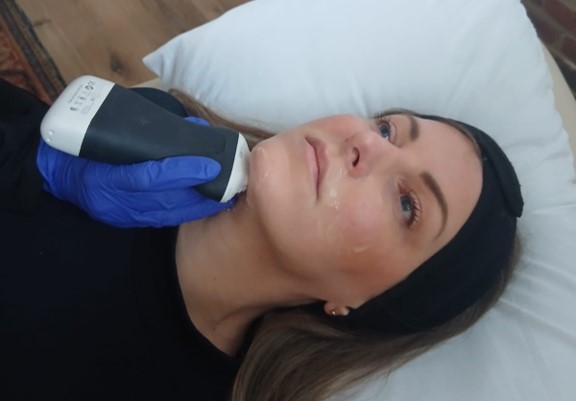
One of the most important developments in modern aesthetics is the use of ultrasound imaging. Ultrasound technology allows practitioners to visualise filler beneath the skin in real time. This is becoming especially valuable in filler dissolving treatments because it helps practitioners identify:
- Existing filler placement
- Migration
- Product depth
- Inflammation
- Scar tissue
- Areas requiring targeted dissolving
Without ultrasound, practitioners may sometimes rely on visual assessment alone. However, ultrasound guided dissolving allows for a more precise and conservative approach. In many cases, patients are surprised to discover they still have large amounts of filler present years after treatment. Ultrasound imaging can also help avoid unnecessarily dissolving areas that do not require treatment. This precision based approach is becoming increasingly popular among advanced practitioners and medically led clinics.
Why Patients Are Choosing Dissolving Before More Filler
Another growing trend in 2026 is the “reset approach.”
Instead of continually adding more filler, many patients are choosing to dissolve old product first and reassess their face more naturally. Practitioners are increasingly recommending this approach for patients who:
- Have had filler for many years
- Have visited multiple clinics
- Are unsure what product was used previously
- Have experienced migration
- Want softer results
- Feel their appearance has changed too much
This approach often allows practitioners to create fresher and more refined outcomes.In some cases, patients decide they no longer want filler at all after dissolving. Others choose smaller amounts placed more strategically. The overall focus is shifting from quantity to quality.
The Emotional Side of Filler Dissolving
For many patients, dissolving filler is not just a cosmetic decision. It can also be emotional. Some individuals feel they no longer recognise themselves after years of treatment. Others may feel pressure from social media beauty standards or regret decisions made when trends were different. Choosing to dissolve filler can feel empowering for patients wanting to return to a version of themselves that feels more authentic and balanced.
Practitioners are increasingly recognising the importance of honest consultations and realistic treatment planning. In 2026, ethical aesthetics is becoming more important than ever. Patients are valuing practitioners who prioritise facial harmony, safety, and long term outcomes over excessive treatment.
How the Aesthetics Industry Is Becoming More Conservative
The rise in filler dissolving reflects a broader shift happening throughout the aesthetics industry. Many experienced practitioners are now moving away from aggressive volume based treatments. Instead, there is growing focus on:
- Skin quality
- Regenerative aesthetics
- Collagen stimulation
- Natural ageing
- Prevention
- Facial balance
- Long term skin health
Treatments such as polynucleotides, skin boosters, radiofrequency, collagen banking, and regenerative medicine are becoming increasingly popular alongside more conservative filler approaches. Patients are becoming more interested in healthy skin and natural rejuvenation rather than dramatic alteration. This shift is helping reshape the future of aesthetics.
What Patients Should Know Before Dissolving Filler
Although filler dissolving is increasingly common, it is still important for patients to choose experienced practitioners. Dissolving treatments should always begin with thorough consultation and assessment.
Patients should ask:
- Is ultrasound available?
- What type of filler was previously used?
- How much dissolving is recommended?
- Will multiple sessions be needed?
- What results can realistically be expected?
- What are the risks and benefits?
Choosing a practitioner with strong anatomy knowledge and complication management experience is extremely important. Patients should also understand that dissolving filler may temporarily change facial appearance while the tissues settle. A gradual and personalised approach often produces the best results.
Why Educational Content Around Filler Dissolving Is Growing
Searches related to filler dissolving have increased dramatically over recent years. Patients are actively searching online for information about:
- Dissolving lip filler
- Migrated filler
- Natural aesthetics
- Filler correction
- Ultrasound filler dissolving
- Filler complications
- Overfilled lips
Because of this, educational content around filler dissolving is performing very strongly in search engines. Clinics that openly discuss safety, anatomy, natural results, and complication management are often building stronger trust with patients.
In 2026, patients are looking for transparency and expertise rather than heavily filtered marketing. Educational blogs, videos, and patient information pages are becoming essential for clinics wanting to improve website traffic and establish authority online.
Final Thoughts
The rise in filler dissolving treatments reflects a major shift within modern aesthetics. Patients are becoming more informed, more selective, and more focused on long term facial health and natural looking outcomes. At the same time, practitioners are embracing more conservative, safety focused, and evidence based approaches to treatment.
Ultrasound technology, improved education, and changing beauty standards are all contributing to this evolution. Dissolving filler is no longer viewed as unusual or embarrassing. For many patients, it is simply part of refining their appearance and moving toward more balanced results. As aesthetics continues evolving in 2026, one thing is becoming increasingly clear.
Natural looking results, patient safety, and ethical practice are shaping the future of the industry.